
There are many different kinds of painting media that have been utilized throughout history in various parts of the globe. Different media are used for a variety of reasons and produce a variety of outcomes. It is important to understand the distinctions between the various media in order to choose the one that is most appropriate for your intended style and work.
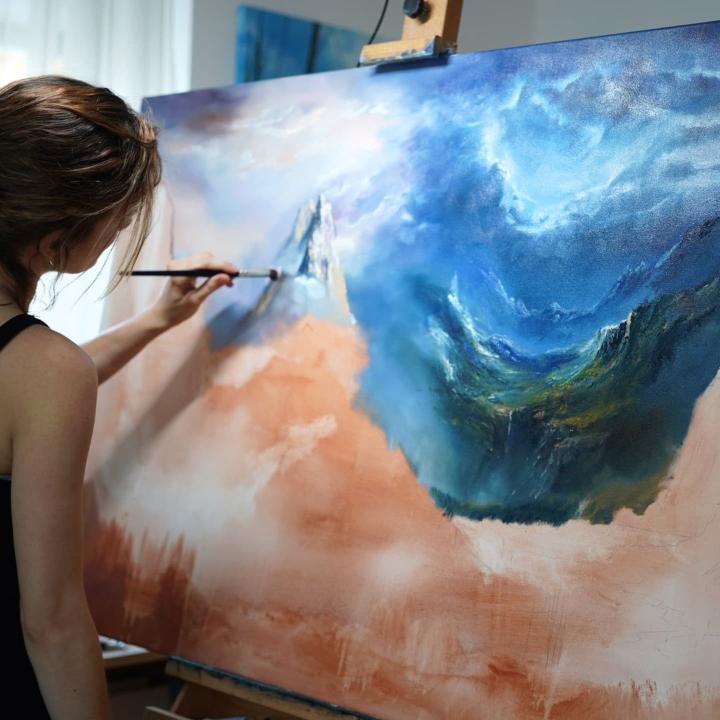
Acrylics
This medium dries quickly, is water-soluble in its liquid form, and is water-resistant when it is completely dried. Acrylic paint may achieve effects that are comparable to those achieved by watercolor or oil painting by changing the amount of acrylic paint to water. Acrylic paints are often water-based, which means that they are soluble in water. Acrylic paint may dry in as little as a few minutes or as long as several days, depending on the concentration of acrylics in the water used to make it.
However, In order to get more information about fluid painting and know the process, it is highly recommended to follow Fluid painting blog as it will help to get an accurate process along with its pros and cons.
Materials
In order to begin painting with acrylic paint, you will need a few supplies. The most basic of them are as follows:
- Acrylic paint is a kind of paint that is made of acrylic resin.
- Supports include canvas, paper, and wood.
- Brushes
- A palette or many containers into which to pour paint.
- A little amount of water
It is possible to paint with acrylics directly from the tube, and the result may be a painterly look similar to that of oil painting. You may also dilute the paint with mediums or water to make it thinner by adding water to the paint.
Advantages and disadvantages
Pros
Drying time is short. They may dry much more quickly than oil paintings, for example. In order to avoid having to wait for too long between layers, you should apply fresh layers as soon as possible. Non-toxic. Because the paint may be mixed with water, there are no harsh chemicals required.
Cons
Drying time is short. Some artists like to work slowly, using certain painting techniques that are only effective with slow-drying materials. The use of oil painting may be a superior choice in this situation. There are, however, mediums available that may be used to reduce the drying period of acrylic paint if desired.
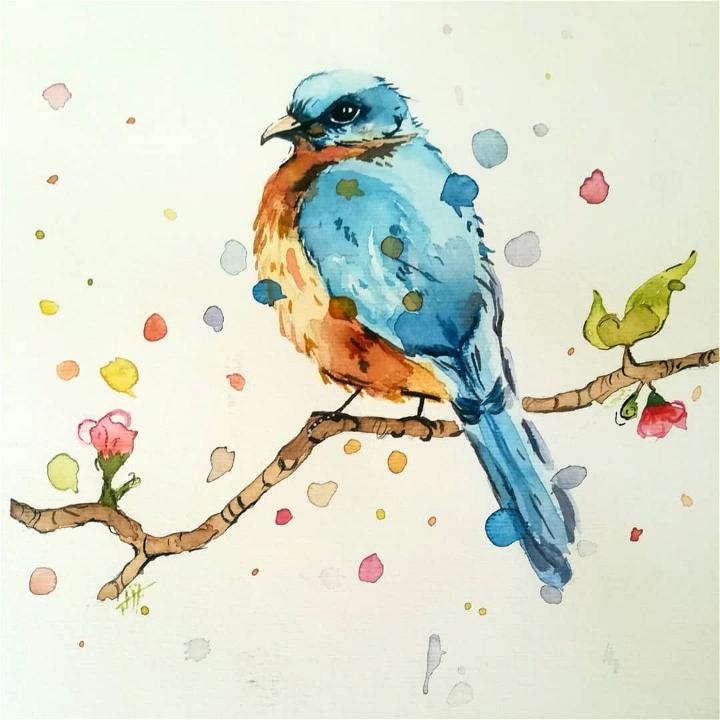
Oil
When you see or hear ‘oil painting,’ you would think of all the wonderful works of art that numerous masters have created in the past. Oil painting would usually be associated to people who have never attempted oil painting before with dirty workplaces and complex processes.
Materials
The essential ingredients for starting oil painting are:
- Painted oil
- Lingerie / board
- Palette
- Brushes
- Solvents such as turpentine
When finished with a painting, you may cover the whole painted surface with a layer of coating for improved protection and various kinds of finish (eg: glossy or matt finish).
Benefits and disadvantages
Pros
Slow drying time. Slow drying time. Good for those who want to work slowly
Forgiving. Due to the long drying period, you can easily rectify any errors, just wipe it off and repaint the area.
Cons
Slow drying time. Slow drying time. Sometimes you have to wait for days until a paint layer has dried before you can start working on a new one. Solvents may include noxious and hazardous compounds and must be worked in a ventilated environment. There are other solvent variants that include fewer chemical substances and are milder in the nose.
Watercolor
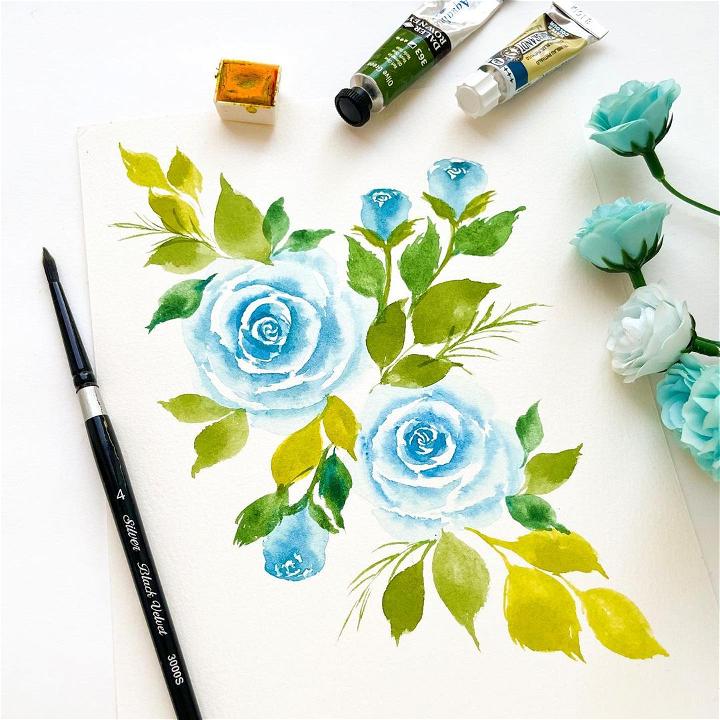
As the name implies, aquarelle is painted with colored water literally! They are high concentration compressed pigments and are tiny in size. They are excellent for outside painting since they are easy to handle. You only have to have a paintbrush and water to activate the colours. Even brushes may include water, making it even easier to paint with aquarelle outside.
Materials
The fundamental items you need to start aquarelle painting are:
- Aquarel pigments, typically with a palette
- Paper in water paint, board
- Brushes
Benefits and disadvantages
Pros
- Easy to handle, excellent for painting outside
- Easy to clean. Easy to clean up.
- Cheap to get started
Cons
- It is difficult to control. Difficult. The quantity of water in your brush may be challenging to work with and tough to manage to wrap the paper if it uses too much water
Tempera Egg
Egg tempera has long existed. It was one of the earliest painting media, employed by many great artists in the past before oil painting was created. It may be water-soluble. Most artists prefer to paint their own egg tempera since it is simple to create, it is easy to obtain ingredients. You may also regulate their consistency by being able to create them yourself.
Materials
Some essential supplies for starting egg tempera painting are:
- Painted Egg Tempera
- Hard Wood/ Support
- Paintbrushes
Benefits and disadvantages
Pros
- Very inexpensive, you can manufacture them easy on-toxic
- Permanent does not change color or yellow over time
Cons
- Brittle, while drying, must need firm solid support on a flexible surface like paper.
Ink
Ink is a media used in many ways, for example in calligraphy, drawing and painting. You may use it directly from the bottle or dilute it for greater clarity by adding water. You may also use some water to smear the painted ink.
Materials
Some materials need to be painted with ink:
- Ink
- Brushes
- Paper
- Ink brush styles are also available for additional ease
Benefits and disadvantages
Pros
- Affordable easy to clean
Cons
- Not useful for fine information will be reactivated with water such much that your work is well framed and maintained.
Conclusion
Those are thus some of the various kinds of painting materials. Each has distinct characteristics and effects. Depending on your creative style or appearance, a medium may make or ruin your work. So pick your medium of painting carefully