
A leaky toilet can be a big problem for homeowners. The leaky toilet can cause water damage to the bathroom floor, as well as any rooms beneath the bathroom. The leak can also impact water bills. Fixing a leaky toilet can be complex, but it can be a cheap do-it-yourself project for mechanically-inclined residents.
Billy Henley Vice President of BHI Plumbing, Heating, & Air Conditioning in Corona, California explains, “More complicated leaks – such as a leak in the base – will require you call a professional plumbing company help or a new toilet, but when the tank or bowl overflow, the solutions to these types of leaks can be applied with time, a bit of skill, and the cost of replacement parts.”
Diagnose the Source of the Leaky Toilet
The most common causes of leaking or overflowing toilets are defects or breakdowns in the float and the inlet valve. Check the water level inside the tank; if the water level is above the overflow then the next step is to isolate which part is the source of the problem. Flush the toilet. Lift the rod that holds the float and observe the rising water. If the rising water stops, the problem is with the float. If the water continues to rise, the problem is with the inlet valve.
Fixing a Broken Float
Inspect both the float and the rod. If the float has a hole or similar damage that cancels its buoyancy, it will need to be replaced. If the rod does not hold a proper position to detect the water flow, the rod will need to be adjusted or replaced. When both the float and the rod holding it are in sound shape, adjusting the rod’s placement so it correctly places the float near the rising water should be sufficient to resolve the problem.
Fixing a Broken Assembly
When the problem is with the inlet valve, the best course of action is to replace the assembly rather than to repair or jury-rig it. Turn off the water to the toilet, flush the toilet to clear the tank of water, and remove excess water in the tank with a sponge.
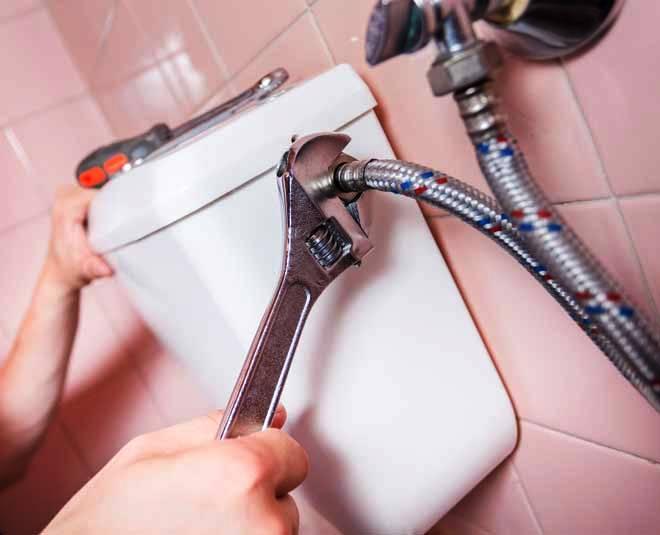
Replacing the assembly can be complicated, so calling a professional may be the best course of action for unskilled or unsure residents. For those who feel capable to continue repairs themselves, the next step is to remove the supply line from the ballcock, using slip-joint pliers to loosen the nut securing the supply line from the ballcock. Remove the ballcock, and drop the new ballcock into position. Reattach the supply line, using slip-joint pliers to attach a new nut to secure the line. Replace the refill tube in the tank, then turn the water back on for the toilet.
Fixing a Broken Flapper
When a toilet’s leak is not due to the float or the intake valve, the flapper may be the cause, especially when the toilet leaks despite water in the tank not rising above the overflow tube. To test the flapper, turn the water off for the toilet, then wait for about fifteen minutes. If the water level in the tank drops, that confirms that the flapper is the cause of the leak. The best course of action is to replace the flapper.
To replace a flapper, turn the water off for the toilet, then flush the toilet to drain the tank of water. Remove the old flapper, then clean up debris near the flapper seat. Before placing the new flapper, inspect the flapper seat for cracks or other damage; when the flapper seat is broken, either professional assistance or a new toilet may be required. When the flapper seat is undamaged, snap the new flapper into place. Turn the water back on for the toilet.